(第一段)
True
eccentrics never deliberately set out to draw attention to
themselves.
知识点(1)
deliberately 故意的、蓄意的、存心的
= on purpose
= intentionally
知识点(2)
set out to do: begin a job, task, etc with a
particular aim or goal 带着目的去做某事
The journalist immediately set out to
obtain these important facts, but he took a long time to
send them.
Dmitri at once set out to find the
thief.
美剧:
We never set out to hurt you,
Victor.
And I'm sorry we did.
Are you done?
Yeah.
set out / off
(单独使用,不强调特殊方式)动身触发
start out / off
Four days after setting out, while the
Titanic was sailing across the icy waters of the North Atlantic,
…
After making a short test flight at 4.15 a.m., Bleriot
set off half an hour later.
知识点(3)
draw (one’s) attention 吸引(某人)注意力
= attract / capture / catch /
arrest / command / get (one’s)
attention
receive (one’s) attention 受到(某人)关注
They
disregard social conventions without being conscious that they are doing
anything extraordinary.
语法分析:
They disregard social conventions without(原因状语) being
conscious that(看作省略of的从句,或看作that的引导的形容词补足语)
they are doing anything
extraordinary(形容词修饰不定代词后置).
知识点(1)
课文写法替换:介词短语做状语
without being conscious (of the fact) that
…
without being conscious of ...
without being aware (of the fact) that
...
without being aware of ...
People tend to amass possessions, sometimes without
being aware of doing so.
课文写法替换:非谓语
(being) unconscious (of the fact) that
...
(being) unconscious of ...
(being) unaware (of the fact) that ...
(being) unaware of ...
He used to sleep during the day and work at night, quite
unaware of the fact that he had become the ghost
of Endley.
They disregard social conventions, quite
unconscious / unaware of the fact that they are
doing anything extraordinary.
造句: 他们无视安全问题,
意识不到自己的所作所为有什么危险之处。
They disregard safety problems, without being
conscious that they are doing anything dangerous.
They disregard safety problems, quite unconscious
/ unaware of the fact that they are doing anything
dangerous.
This
invariably wins them the love and respect of others, for they add colour
to the dull routine of everyday life.
语法分析:
This invariably wins them(间接宾语) the love and
respect of others(直接宾语), for they add colour to the dull
routine of everyday life. (原因状语)
知识点(1)
invariably: always 总是
知识点(2)
win sb. sth. 为某人赢得了…
win sth. for sb. 为某人赢得了…
知识点(3)
add color to sth. 增添颜色(使更有趣)
【近义词组】
add luster / lustre to sth.
给…增添光泽(使更有趣)
add flavor / spice to sth.
给…增添风味(使更有趣)
add variety to sth. 增加多样性(使更有趣)
知识点(4)
dull
adj. 钝的;迟钝的;无趣的;呆滞的;阴暗的
boring
adj. 无聊的;令人厌烦的
monotonous
adj. 单调的,无抑扬顿挫的;无变化的
写作补充:课文中用dull更好一下,dull本身有“暗淡的”含义,与前面colour接应,双关
造句:
网上冲浪总是能赢得年轻人的痴迷(fascination),
因为它给平淡的日常生活增添了一丝亮色。
Surfing the Net invariably wins itself the fascination of the
young, for it adds color to the dull routine of everyday life.
(第二段)
Up
to the time of his death, Richard Colson was one of the most notable
figures in our town.
知识点(1)
up to ...
含义1:直到;做时间状语
= up until ...
= up till ...
= until ...
补充:一般不用till(不正式),一般不放在句首
up to ...
含义2:不少过、最多…;
= less than ...
知识点(2)
notable
adj. 值得注意的,显著的;著名的
知识点(3)
figure 重要的人物
He
was a shrewd and wealthy businessman, but most people in the town hardly
knew anything about this side of his life.
语法分析:
He was a shrewd and wealthy businessman, but most people in
the town hardly knew anything about this side of his life.
(后置定语,修饰anything)
知识点(1)
“this side of his life”避免和前面的重复
->“his shrewdness and wealthiness”
He
was known to us all as Dickie and his eccentricity had become legendary
long before he died.
语法分析:
He was known to us all as Dickie
and his eccentricity had become legendary
long(adv.长久的) before he died(时间状语).
知识点(1)
know sb./sth. as sth. 把…称为是…
The disease is commonly known
as Mad Cow Disease.
He soon made a name for himself and came to be
known to the Italians as Giovanni
Acuto.
造句:美国人把 Earvin Johnson 称为魔术师约翰逊
(Magic Johnson)。
Earvin Johnson is known to the
Americans as ‘Magic Johnson’.
造句:中国人把李白称为诗仙 (poet
immortal)。
Li Bai is known to the Chinese
as ‘poet-immortal’.
知识点(2)
legendary
adj. 传说的,传奇的
= famous / well-known 著名的
the legendary(著名的) Hollywood
director Steven Spielberg
The Chinese are legendary(著名的) for
their hospitality.
造句:在上梁山前很久,武松的力量和勇敢就已经很有名了。
Wu Song’s strength and courage had become legendary
long before he joined the Liangshan
rebels.
(第三段)
Dickie disliked snobs
intensely.
课文写法替换:动词
Dickie hated / abhorred / detested /
loathed / abominated snobs intensely.
课文写法替换:形容词
Dickie found snobs repellent / repulsive /
revolting / disgusting.
课文写法替换:“令讨厌”
Snobs repelled / repulsed / revolted
/ disgusted Dickie intensely.
Though
he owned a large car, he hardly ever used it, preferring always to go on
foot.
语法分析:
Though he owned a large car(让步状语从句), he hardly ever used it,
preferring always to go on
foot(非谓语动词引导原因状语).
知识点(1)
hardly ever
(时间频率副词,只能表示时间)几乎从来没有发生过
= almost never
= seldom
= rarely
知识点(2) 复习:Lesson14
prefer to do rather than do 更愿意…而不愿意…
..., preferring always to go on
foot rather than go in his car.
造句:尽管他有几个保镖
(bodyguard),但他很少让他们陪着他 (accompany him),总是更喜欢独自一个人
(on his own) 去散步 (take a stroll)。
Though he owned several bodyguards, he hardly ever asked them to
accompany him, preferring always
to take a stroll on his own.
Even
when it was raining heavily, he refused to carry an umbrella.
One
day, he walked into an expensive shop after having been caught in a
particularly heavy shower.
知识点(1) 复习:Lesson04
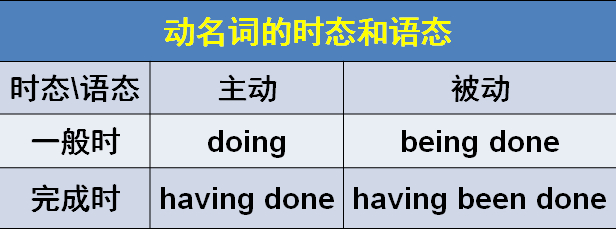
语法:动名词的时态和语态。完成时强调时间更早一些;一般时没有场合限制,完成时有场合限制
知识点(2)
知识点(3) 复习:Lesson25
be caught in ...
赶上了(通常遭遇了不好的事,被困住了)
be struck by … 遭遇到了(严重的、倒霉的事)…
He
wanted to buy a £300 watch for his wife, but he was in such a
bedraggled condition that an assistant refused to serve him.
语法分析:
He wanted to buy a £300 watch for his wife, but he was in
such a bedraggled condition that an assistant
refused to serve him(结果状语).
知识点(1)复习:Lesson06
金钱 + worth of + 物品 价值…钱
知识点(2)
课文写法替换:so…that…
... but he was so bedraggled
that ...
His family was so impoverished
that he could hardly afford his
tuition.
His family was in such an impoverished
condition that he could
hardly afford his tuition.
知识点(3)
serve sb. with sth. 把…给某人拿过来
= serve sth. to sb.
Dickie
left the shop without a word and returned carrying a large cloth
bag.
语法分析:
Dickie left the shop without a word and returned carrying a
large cloth bag(做return的伴随状语).
【谚】take French leave 一语不发的离开
【谚】Dumb dogs are dangerous. 咬人的狗不叫
As it
was extremely heavy, he dumped it on the counter.
知识点(1)
extremely heavy
= weigh a ton 重一吨(【习语】特别沉)
= The chair weighs a ton.
= The chair is extremely heavy.
知识点(2)
英语中模拟“声音”的动词
…, he dumped (噔的一声)it on the
counter.
He slammed (啪的一声)the door.
We all clapped(papa鼓掌) our hands.
The soldier clicked(咯噔) his heels.
Don’t clatter(咣当咣当) the dishes — you’ll
wake the baby up.
I’ll smack (pia的一声) your bottom if you
don’t behave yourself.
The
assistant asked him to leave, but Dickie paid no attention to him and
requested to see the manager.
知识点(1)
Dickie paid no attention to him
= Dickie ignored him.
= Dickie took no notice of him.
= Dickie turned a deaf ear to him.
= Dickie turned a blind eye to him.
知识点(2)
request 客气的请求
Recognizing
who the customer was, the manager was most apologetic and reprimanded
the assistant severely.
语法分析:
Recognizing who the customer
was(宾语从句)(非谓语动词引导原因状语), the manager was
most(及其,=extremely) apologetic and
reprimanded the assistant severely.
When
Dickie was given the watch, he presented the assistant with the cloth
bag.
知识点(1)
写作:课文使用被动,避免频繁的变换主语
使用被动避免频繁的变换主语,举例:
知识点(2) 复习:Lesson22
present sb. with sth. 呈递给某人
= present sth. to sb.
It contained £300 in
pennies.
介词in:用…,以…
He
insisted on the assistant's counting the money before he left -- 30,000
pennies in all!
知识点(1)
语法:动名词的逻辑主语;一般来说,动名词的逻辑主语在正式文体中用属格(所有格),在非正式文体中用普通格。在《新概念英语》和考试中,均以正式文体为准。
Do you mind my smoking here?
(正式)
Do you mind me smoking here?
(非正式)
Your falling into the river was
the climax of the whole trip. (正式)
You falling into the river was
the climax of the whole trip. (非正式)
出现下列情况时,即使在正式文体中,动名词的逻辑主语也习惯使用普通格。
1、逻辑主语为名词指物。
2、逻辑主语为多个名词。
3、逻辑主语为以“s”结尾的名词。
4、逻辑主语与动名词分离。
5、逻辑主语为不定代词,如:someone, everything,
something; 或指示代词,如:this, that
知识点(2)
insist on ... 坚持、要求、命令、建议…
insist that ... (should do)型虚拟语气
He insisted that the assistant (should) count
the money before he left, ...
Even though the noble was expected to read the letter at each
performance, he always insisted that it should
be written out in full.
课后题:Lesson 22
5.He always insisted ___A___ in full. (1.9)
(a) on its being written out
(b) on writing it out 没有加逻辑主语
(c) to have it written out
(d) that it would have to be written out
He always insisted on
its(逻辑主语) being written out in
full.
Next came a horse, swimming bravely, but we were afraid that the
strength of the current would prevent its landing
anywhere before it became exhausted.
课后题:Lesson 56
7.The strength of the current would prevent ___B___ anywhere
before it ... (124)
(a) that it landed
(b) it from landing
(c) it to land
(d) the landing of it
On
another occasion, he invited a number of important critics to see his
private collection of modern paintings.
This
exhibition received a great deal of attention in the press, for though
the pictures were supposed to be the work of famous artists, they had in
fact been painted by Dickie.
语法分析:
This exhibition received a great deal of attention in the
press(介词做状语), for though the pictures were
supposed to be the work of famous artists(让步状语从句), they
had in fact been painted by Dickie. (for引导原因状语)
知识点(1)
receive + n. 受到了,得到了…
No creature has received more
praise and abuse than the common garden snail.
These young people, who love the peace of the mountains, always
receive a warm welcome
at St. Bernard's monastery.
知识点(2) 复习:Lesson05
the press 新闻界
知识点(3)
work 表作品,可数不可数都可以
It
took him four years to stage this elaborate joke simply to prove that
critics do not always know what they are talking about.
语法分析:
It(形式主语) took him four years to stage this elaborate
joke(真正主语) simply to (动词不定式,引导目的状语) prove
that(宾语从句) critics do not always know what(宾语从句) they
are talking about.
critics do not always know what they are talking about
课文写法替换: